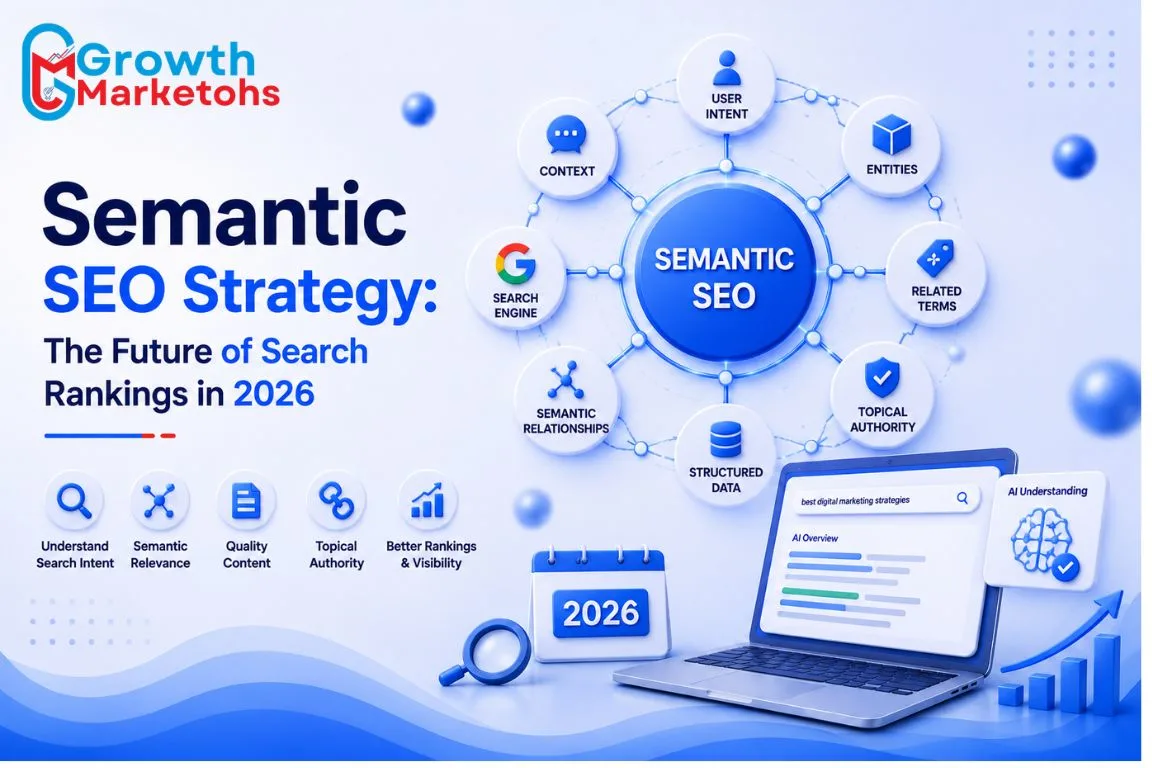
Creating a solid semantic SEO strategy requires understanding topical authority SEO, user intent, semantic relationships, and content ecosystems that help search engines understand expertise. Services such as Ahrefs and SEMrush support grouping keywords, checking what competitors do, and finding main subjects. At the same time, Google Search Console shows useful search phrases and how the content is doing.
Surfer SEO boosts how well content matches the full subject through better semantic work, and AlsoAsked finds connected questions people ask to make content more complete. Google Trends spots emerging trends, and AI research tools help generate topics and organize content. Google’s People Also Ask section gives extra semantic connections between ideas, while Screaming Frog checks site links inside and how content is organized.
Google Analytics tracks how users interact and how well content works across different areas. When companies combine research, optimization, and measurement tools, they gain greater authority on their subjects, get more visibility in AI search, and produce material that fits current search engines’ ways of working.
What is Semantic SEO?
Semantic SEO means creating content that helps search engines understand context, relationships, and user intent rather than relying solely on exact keyword matches, making it a core component of modern SEO services.
Traditional SEO focused on:
- Exact keywords
- Keyword density
- Individual pages
- Exact-match optimization
Semantic SEO focuses on:
- Topic coverage
- Search intent
- Contextual relevance
- Related concepts
- Entity relationships
- User experience
For example, a page aimed at “technical SEO” should naturally talk about:
- Site speed
- Crawlability
- Indexing
- Structured data
- Core Web Vitals
- XML sitemaps
This approach lets search engines see the whole picture around the subject.
Why Semantic SEO Matters in 2026
Search engines now go way past basic keyword matching. In 2026, Google, AI Overviews, AI Mode, ChatGPT Search, Gemini, and similar AI systems work to understand the context, relationships, entities, and user intent. This change makes Semantic SEO Strategy a key approach for companies seeking higher rankings, stronger standing, and a stable presence in search over the years. Rather than tuning for a single keyword, semantic SEO builds comprehensive content sets that match how current search engines read and process information.
1. Search Engines Prioritize Context Over Keywords
Current systems do not rank material solely because a main keyword appears multiple times. They examine how subjects, ideas, and extra details fit together. Semantic SEO Strategy helps search engines understand the core meaning of the content, so pages can rank for more related searches and deliver better matches and greater user value.
2. Supports Google AI Overviews and AI Mode
Google’s AI search features now depend more on understanding the situation than on keyword matching. Content that demonstrates clear semantic links, complete topic coverage, and clear expertise stands a better chance in AI summaries, AI Overviews, AI Mode answers, and modern AI SEO strategies. With AI search growing, semantic SEO is a key factor in getting seen.
3. Improves Topical Authority and Expertise
A major plus of semantic SEO is that it strengthens topical authority and builds authority across entire subject areas. Companies move away from separate articles and instead develop complete subject groups that show real knowledge.
Benefits include:
- Stronger topic relevance
- Improved authority signals
- Better search engine trust
- Increased keyword visibility
- Higher ranking potential
This method positions companies as known specialists in their field.
4. Aligns Better with Modern Search Behavior
People rarely use exact keyword phrases when searching. They ask questions, use conversational language, and explore topics from various sides. Semantic SEO enables companies to produce content that aligns with actual search by naturally addressing related questions, ideas, and search intent.
5. Expands Organic Keyword Reach
A page optimized with semantic methods can appear for far more terms than one centered on single keywords, since search engines get a wider topic context.
Semantic work lets content rank for:
- Long-tail keywords
- Related search terms
- Question-based searches
- Conversational queries
- Supporting topic variations
This opens up more opportunities for organic visibility and traffic.
6. Strengthens AI Search Visibility
Platforms like ChatGPT Search, Gemini, Perplexity, and Google AI features rely heavily on semantic understanding. Content that is rich in material, fits the situation, connects with the topic, and has entity connections is more likely to be mentioned, quoted, or displayed in AI answers.
7. Improves Content Quality Signals
Google’s Helpful Content and E-E-A-T approaches favor content that shows knowledge, value, and depth. Semantic SEO Strategy supports these aims by fostering a comprehensive understanding of the topic and improving user experience. User experience supported by fast, scalable website development services improves semantic relevance and engagement.
Strong semantic material often features:
- Expert insights
- Supporting examples
- Related concepts
- Real-world applications
- User-focused answers
Visual assets developed through professional graphic design services can further improve engagement and content consumption.
8. Future-Proofs SEO Strategies
Search technology continues to trend toward intent-focused, entity-based, and AI-driven setups. Companies investing in semantic SEO should now prepare for upcoming search algorithms rather than relying on old keyword methods. As search engines grow smarter, semantic tuning remains a key driver of lasting SEO progress.
How Search Engines Use Semantic SEO
Modern search engines work to understand meaning, context, and links rather than plain keyword matches. This progress placed semantic SEO at the center of how Google and AI search systems evaluate content. They look beyond a single keyword and consider subjects, entities, search intent, and content completeness to determine ranking value. Knowing this process lets companies make material that fits today’s ranking methods and tomorrow’s search features.
Natural Language Processing (NLP)
Natural Language Processing lets search engines follow how people talk. Instead of exact keywords, NLP analyzes sentence structure, context, and word relationships. Google can then see that different phrases convey similar meanings and return more relevant search results.
Entity Recognition
Search engines now identify and link entities such as brands, companies, items, people, and places. Good semantic SEO helps engines see connections among these, improving topic relevance and standing within a subject.
Knowledge Graph Understanding
Google’s Knowledge Graph joins huge numbers of entities and ideas to read queries better. Semantic SEO aligns content with these links by addressing related subjects, additional ideas, and contextual details rather than individual keywords.
Search Intent Analysis
A top way search engines apply semantic SEO comes through checking search intent. They review if the material meets the user’s aim and gives the exact info needed.
Search intent usually falls into:
- Informational intent
- Commercial intent
- Transactional intent
- Navigational intent
Material that matches intent closely often works better than keyword-only optimization.
Topic Relationships and Context
Search engines assess how thoroughly a site covers a topic. They review related ideas, additional subtopics, internal links, and content depth to assess knowledge and authority.
For example, a page on technical SEO may naturally cover the following:
- Crawlability
- Indexing
- Site speed
- Core Web Vitals
- Structured data
This wider view helps search engines read the subject more clearly.
AI-Powered Search Systems
Google AI Overviews, AI Mode, ChatGPT Search, Gemini, and Perplexity rely heavily on semantic understanding to provide answers. These setups review subject links, entity connections, and contextual relevance to pick reliable sources.
AI systems look for:
- Comprehensive content
- Topical authority
- Semantic relevance
- Entity relationships
- User-focused information
This enhances the role of semantic SEO for companies seeking visibility in both regular and AI search.
User Experience Signals
Search engines use interaction signs to judge content value. When people read longer, check linked pages, and engage well with a site, it backs semantic relevance and topic satisfaction.
These signals include:
- Time on page
- Pages per session
- Engagement rate
- Return visits
As search engines become smarter, semantic SEO grows in role for showing content meaning, knowledge, and relevance. Companies optimizing for subjects, intent, entities, and situations over single keywords gain better long-term positions and AI search presence.
Semantic SEO vs Traditional SEO
| Factor | Semantic SEO | Traditional SEO |
| Focus | Topics and intent | Keywords |
| Optimization | Contextual relevance | Exact matches |
| Coverage | Broad topic depth | Single keyword |
| User Intent | High priority | Limited focus |
| AI Search Compatibility | Strong | Limited |
| Long-Term Growth | Sustainable | Less scalable |
Benefits of Semantic SEO for Businesses
As search engines grow smarter and AI search rises, companies require SEO plans that go beyond traditional keyword optimization. Semantic SEO brings real value here. By centering on situation, subject links, user intent, and content fullness, it builds wider views, stronger standing, and long-term organic growth. Companies create a broader search reach that works across regular search engines and AI platforms, rather than relying on a single keyword.
1. Improves Search Visibility Across More Keywords
A major advantage of semantic SEO is the ability to rank for many more search phrases. Engines get the full context, so a single page can appear for several related terms, long searches, and conversational queries. This boosts natural reach and opportunities.
2. Strengthens Topical Authority and Trust
Semantic SEO pushes companies to treat subjects in their entirety rather than as single pieces. Engines then see real skill in the area and build stronger authority signs.
Benefits include:
- Greater search engine trust
- Improved topical authority
- Better content relevance
- Stronger brand recognition
- Enhanced E-E-A-T signals
This authority often brings stable rankings and long-term visibility.
3. Supports Google AI Overviews and AI Search
AI search relies on semantic understanding to generate replies. Companies using semantic SEO rank better for spots in AI Overviews, AI Mode, and AI answers because their content shows strong context and topic coverage.
4. Improves User Experience and Engagement
People rarely search for something with a single exact term. They check connected questions, ideas, and solutions. Semantic SEO helps companies create content that better meets broader needs, improving engagement and user experience. Businesses often distribute semantic content through social media marketing services to increase reach, engagement, and brand visibility.
5. Increases Organic Traffic Quality
Semantic optimization attracts people who are truly interested in the subject, rather than casual keyword visitors. This often brings:
- Higher engagement rates
- Longer session durations
- Lower bounce rates
- Better lead quality
- Improved conversion potential
Quality visitors give stronger business results than traffic volume only.
6. Creates More Internal Linking Opportunities
Solid semantic SEO naturally supports topic clusters, pillar pages, and content ecosystems powered by a strong internal linking strategy. This opens chances for smart internal links that help engines see connections and spread authority while improving crawl and flow.
7. Future-Proofs SEO Investments
Search engines are heading toward goal-based, entity-led, and AI-driven ranking. Companies investing in semantic SEO now build a sustainable foundation that adapts to future algorithm changes, rather than relying on outdated keyword-centric tactics.
8. Delivers Long-Term SEO Growth
Short-term SEO tactics can shift with updates, but semantic SEO centers on truly helpful, comprehensive content. This maintains positions, expands keyword reach, and grows lasting authority.
Semantic SEO Strategy: Step-by-Step Guide
Making a successful semantic SEO strategy takes far more than adding keywords. Modern engines check the situation, user intent, topic relationships, entities, and content depth to set rankings. A well-planned semantic SEO strategy enables companies to create detailed content sets that improve visibility in both regular search results and AI search. Use this process to set a strong semantic base for long-term SEO growth.
1. Identify Core Topics Instead of Individual Keywords
Start by moving from single terms to wider subjects in semantic SEO. Skip separate pages for terms and focus on the main areas that align with business aims and reader interests.
Examples include:
- SEO Services
- AI SEO
- Content Marketing
- Website Design
- Digital Marketing
These subjects form the base for future content clusters and authority building.
2. Understand User Search Intent
Semantic SEO begins by seeing what users try to do in searches. Engines favor material that meets the goal over keyword hits.
Focus on:
- Informational searches
- Commercial research
- Transactional searches
- Navigational queries
Material built around intent improves relevance and engagement.
3. Build Topic Clusters Around Main Subjects
Topic clusters SEO strengthen semantic relationships between pages and help search engines understand content depth and expertise. The main page covers the wide subject while support articles handle the subtopics in detail.
Example:
Pillar Topic:
SEO Services
Supporting Topics:
- Technical SEO
- Keyword Research
- Internal Linking
- Link Building
- Topical Authority
- AI SEO
This setup helps engines see skill and subject range.
4. Research Related Keywords and Concepts
Skip repeating one keyword and instead follow a structured keyword research strategy that uncovers related concepts, semantic keywords, and user questions.
Include:
- Related search terms
- Semantic keywords
- Supporting concepts
- Industry terminology
- Common user questions
This improves topic relevance and keyword coverage.
5. Create Comprehensive, Experience-Driven Content
Search engines now favor material showing real skill and practical help. Each page needs a comprehensive subject treatment that effectively addresses user issues.
Strong semantic content should include:
- Definitions and explanations
- Examples and use cases
- Industry insights
- Practical recommendations
- Expert perspectives
- Frequently asked questions
Comprehensive content improves authority and user value.
6. Optimize for Entities
Modern search engines rely heavily on entities such as brands, companies, items, writers, and services. Entity optimization helps engines know your identity and the topics you are associated with.
Focus on:
- Brand mentions
- Author profiles
- Service descriptions
- Industry entities
- Business information
Strong entity signals support semantic understanding.
7. Strengthen Internal Linking
Internal links matter a lot in semantic SEO as they show page connections to engines and support a scalable internal linking strategy. Strategic links build stronger topic clusters and improve the distribution of authority.
Best practices include:
- Linking related content naturally
- Connecting cluster pages to pillar pages
- Using descriptive anchor text
- Avoiding orphan pages
Strong internal linking improves crawlability and topic relevance.
8. Answer Related Questions and Subtopics
Users often bring several questions. They consider various factors before making decisions. Semantic SEO surfaces answers to related questions and sub-areas within the content set.
This improves:
- Topic depth
- Search intent coverage
- User engagement
- AI search visibility
9. Monitor Performance and Content Gaps
Semantic SEO is an ongoing process. Check the performance data regularly to find spots to fix and grow.
Track:
- Organic traffic
- Keyword visibility
- Topic performance
- Internal linking opportunities
- User engagement metrics
This improves the existing content and finds new semantic opportunities.
10. Continuously Update and Expand Content
Search habits, AI setups, and industry trends keep changing. Companies that refresh their material often have stronger semantic relevance and search visibility.
Update:
- Statistics
- Examples
- Internal links
- Emerging trends
- Related topics
Regularly optimizing maintains rankings and improves long-term rankings.
By using this step-by-step semantic SEO strategy, companies gain stronger subject authority, better search fit, AI search support, and a growing base for sustainable organic growth in 2026 and later.
Tools to Build a Semantic SEO Strategy
A good semantic SEO strategy needs more than basic keyword checks. Modern engines review the situation, entities, subject links, user intent, and content range for rankings. The right tools help companies identify opportunities for semantic terms, related subjects, search intent, content building, and subject standing. Mixing them with good content plans creates sets that work in regular results and AI search.
1. Ahrefs
Ahrefs ranks among top tools for semantic SEO. It identifies keyword relationships, content gaps, and topic opportunities that build semantic fit.
Best uses:
- Semantic keyword research
- Competitor analysis
- Content gap analysis
- Topic expansion opportunities
- Backlink research
2. SEMrush
SEMrush provides broad insights into search intent, keyword relationships, and content opportunities. Tools like Topic Research and Keyword Magic stand out for semantic planning.
Benefits include:
- Topic discovery
- Keyword clustering
- Search intent analysis
- Competitive research
- Content planning
This helps businesses create more comprehensive content ecosystems.
3. Google Search Console
Google Search Console works well for seeing how search engines read your content. It reveals related search queries, keyword variations, and new semantic opportunities.
Useful for:
- Query analysis
- Topic expansion
- Performance monitoring
- Content optimization
- Search visibility tracking
Search Console often shows that semantic terms are already driving views.
4. Surfer SEO
Surfer SEO tunes content by checking semantic relationships and subject range. It matches your material to top pages and suggests terms to improve relevance.
Key features:
- Semantic keyword recommendations
- Content optimization
- Topic coverage analysis
- NLP-driven suggestions
This builds overall semantic relevance.
5. AlsoAsked
AlsoAsked helps find questions related to your subject. These questions often show semantic relationships and ideas to add.
Examples:
- What is semantic SEO?
- Why is semantic SEO important?
- How does semantic SEO work?
Answering them improves the subject range and user value.
6. Google Trends
Google Trends identifies the emerging subjects, industry trends, and changing search behaviors. This lets companies grow semantic plans early before competition rises.
Best uses:
- Trend identification
- Seasonal content planning
- Emerging topic discovery
- Search behavior analysis
Keeping up with trends builds long-term semantic relevance.
7. ChatGPT and AI Research Tools
AI tools accelerate semantic checks by finding connected ideas, sub-subjects, user questions, and content builds. Keep plans human-led, but AI improves research speed.
Helpful for:
- Topic ideation
- Semantic keyword discovery
- Search intent mapping
- Content planning
- Content expansion
AI-assisted research helps scale semantic SEO efforts more effectively.
8. Google’s People Also Ask and Related Searches
Many skip Google results as a semantic tool. “People Also Ask” and related searches show how engines link subjects and questions.
These features help uncover the following:
- Related concepts
- Supporting subtopics
- Search intent patterns
- Content opportunities
Such details prove useful for building semantic content.
9. Screaming Frog
Screaming Frog checks the content setup and the internal link structures. Good internal links matter for semantic SEO as they connect subjects across the site.
Useful for:
- Internal link audits
- Crawl analysis
- Content structure reviews
- Orphan page identification
Better content relationships support stronger semantic relevance while reinforcing a solid technical SEO checklist.
10. Google Analytics
Google Analytics measures user actions with optimized semantic content. Understanding user behavior reveals the top subjects and identifies those that need more semantic range.
Track:
- Organic traffic
- Engagement metrics
- User journeys
- Conversion paths
- Content performance
Performance insights help refine and strengthen semantic SEO plans.
How Semantic SEO Supports AI Search Visibility
With AI powering more search, understanding the situation now beats a keyword-only focus. AI systems like Google AI Overviews, AI Mode, ChatGPT Search, Gemini, and Perplexity review subjects, entities, links, and user intent for answers. Semantic SEO fits perfectly within modern AI SEO strategies, helping businesses improve visibility across AI-powered search platforms. Full topic coverage with organic linking makes it simple for AI to understand, trust, and cite the content.
Improves Contextual Understanding
Semantic SEO helps AI see the meaning of content beyond keyword hits. This improves relevance and findability.
Supports AI Overviews and AI Mode
Google AI search likes material with a subject range, skill, and semantic fit. Strong semantic SEO improves the chances of a mention in AI replies.
Strengthens Entity Recognition
AI search uses entities like brands, companies, writers, items, and services. Semantic SEO builds stronger entity relationships and authority signals.
Enhances Conversational Search Visibility
People now search with natural language and detailed questions. Semantic optimization matches content to talk queries and long searches.
Improves Topical Authority
A full subject range with semantic links helps AI spot trusted sources. Strong authority brings wider AI search views.
Increases Content Citation Opportunities
AI often draws on information from trusted, rich-semantic sources. Companies that use semantic SEO receive more quotes and mentions in AI search results.
As AI search grows, semantic SEO forms a strong base for long-term visibility. Companies focusing on situation, goals, subject links, and entity work gain better rankings in both regular and AI search.
Conclusion
In 2026, search engines will skip ranking content based on keyword counts alone. They check meaning, situation, goals, skill, and subject links. This makes semantic SEO a leading strategy for companies seeking stable rankings and long-term visibility. Focusing on subject range, semantic fit, user intent, and content value improves both regular search results and AI search presence.
As Google AI Overviews, AI Mode, ChatGPT Search, Gemini, and other AI systems advance, semantic SEO becomes even more critical. Growth Marketohs is a Scalable SEO agency helping businesses build visibility through semantic optimization, topic clusters, content marketing services, AI SEO, and long-term search growth.
Whether you’re looking to improve rankings, strengthen AI search visibility, or generate qualified leads, our team of SEO Experts builds growth-focused SEO systems designed for long-term success.
Want to improve visibility across Google Search, AI Overviews, ChatGPT Search, and emerging AI platforms? Connect with a Best SEO Expert today and discover how our SEO services can help your business build authority, rankings, and sustainable organic growth.
.